
Subscriber Habit Shifts During Creator Promotional Cycles
OnlyFans promotional pricing changes what subscribers actually do, not just what they pay. A page offering a discounted first month attracts a different behavioral profile than the same page at its standard rate, and that difference plays out over weeks. This article follows the full promotional arc: the discounted entry, the trial burst, the renewal decision, and the two paths that follow. BestOnlyFans builds its monthly rankings around these observable patterns.
Paid base subscriptions run from $4.99 to $49.99, but a promotional first month may sit below that floor. What moves is the subscriber’s internal accounting, and it shifts as the renewal date gets closer. Most paid pages cluster between $5 and $10, so the gap between a discounted entry and the standard rate is a real cost event. BestOnlyFans refreshes its rankings every month.
How First-Month Promotions Are Structured on OnlyFans
Every paid subscription on OnlyFans has a floor of $4.99 and a ceiling of $49.99. Promotions are the one exception: a creator can set a first month at $3 or another figure beneath the floor. When that discounted period closes, the subscription renews at the normal base rate unless the subscriber cancels or turns auto-renew off.
The lower entry price removes the hesitation. The renewal price then tests whether the page holds attention past novelty. A jump from a $3 promotion to a $9.99 renewal is a genuine budget decision, not a rounding error.
| Element | Promotion Setting | Subscriber Impact | Auto-Renew Behavior |
|---|---|---|---|
| Base price | $4.99-$49.99 standard rate | Sets the long-term cost | Renews at base unless cancelled |
| Promotional first month | Can sit below $4.99, e.g. $3 | Lowers the trial barrier | Applies to the first period only |
| Promotional duration | Creators typically set 1-30 days | Defines the trial window | Switches to base after the window |
| Transition to base rate | Full price resumes automatically | Forces a value reassessment | Continues unless disabled |
One detail surprises people: when a creator raises the price, auto-renew stops and existing access lasts only until the paid period ends. Subscribers expecting a silent renewal may instead find themselves locked out, which is a different kind of churn than a deliberate cancel.
The Trial Period: Initial Subscriber Behavior Patterns
The opening week of promotional access usually shows the heaviest engagement a subscriber will ever record on that page. Because the entry cost was low, the sense of having saved money pushes people to consume as much as possible before the rate changes.
Spending tends to climb during the trial as well. Someone who paid $3 for the month may unlock pay-per-view messages, which reach up to $50 each, or buy chat time at a common $3-$5 per message. Cheap entry functions as a gateway to higher in-page spending rather than a substitute for it.
- Maximum consumption of the existing content archive during the discounted window.
- High pay-per-view purchase rate driven by the feeling of having saved on entry.
- A spike in tips aimed at building an early relationship with the creator.
- Cross-checking the creator on outside platforms for validation before committing further.
- Forwarding page details to friends or community groups to compare notes.
Warning: total your week-one spending across subscription, pay-per-view, and tips before deciding whether to renew. A $3 trial that triggers $40 in unlocks costs more than the full-rate month, and that combined figure is the honest basis for a keep-or-cancel call.
The Transition Point: Behavioral Fork at Full Pricing
Somewhere between 24 and 72 hours before renewal at the standard rate, most subscribers enter a short evaluation phase. The question stops being whether the page is interesting and becomes whether it justifies the full monthly figure.
People compare what they consumed against what they expected, then fold in responsiveness and total spend. A page that felt generous at $3 can feel thin at $9.99 even when the content itself never changed.
- Content volume consumed versus the amount expected at signup.
- Quality consistency across the entire promotional period, not just the opening days.
- Creator responsiveness to messages and requests during the trial.
- Total spend on pay-per-view and tips relative to the original monthly ceiling.
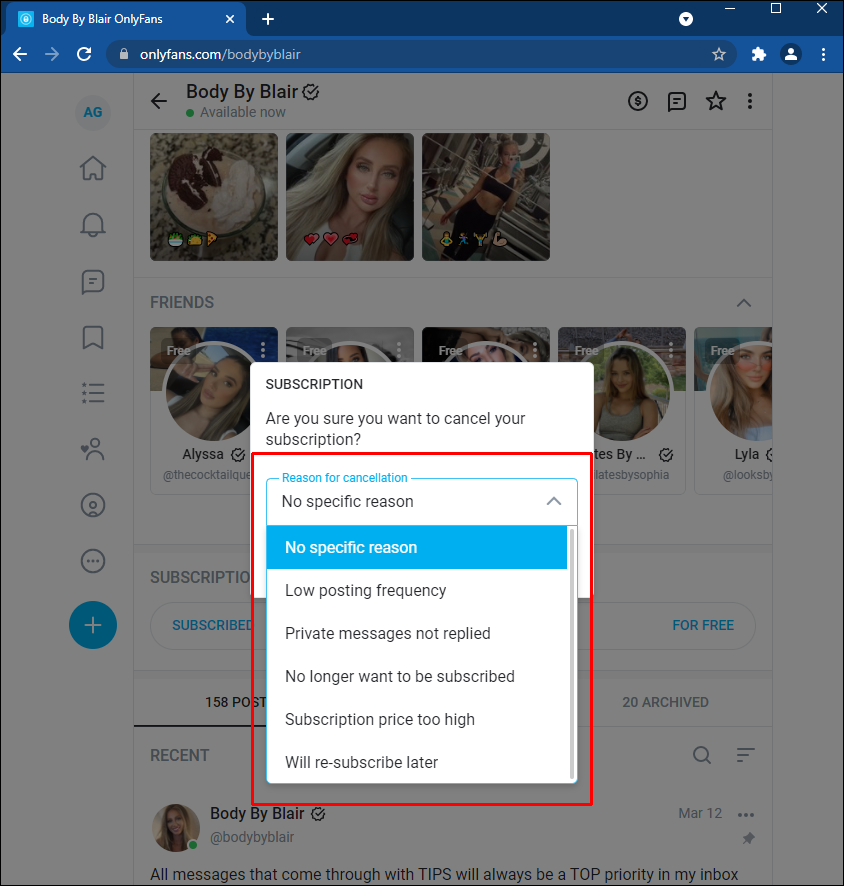
Those who decide to leave often cancel well before the renewal date. Those who stay frequently do nothing at all and let the charge arrive. The fork is rarely dramatic; it is a quiet decision made while staring at a billing screen.
Post-Promotion Retainers: Long-Term Habit Stabilization
Engagement settles from the trial peak into a moderate routine, and spending beyond the base subscription becomes predictable instead of exploratory.
This stabilization is what retention efforts aim at, because a routine subscriber is worth more across a year than three promotional trials. Habits formed here hold up: a fixed login rhythm, a familiar set of content formats, and a monthly cost that fits an existing budget without renegotiation.
| Habit Dimension | Trial Period | Stabilized Period | Change Direction |
|---|---|---|---|
| Engagement frequency | High, near-daily bursts | Moderate, scheduled visits | Decreasing |
| Spending beyond base | Variable and elevated | Predictable monthly amount | Flattening |
| Content interaction breadth | Exploratory across the archive | Focused on preferred formats | Narrowing |
| Platform login timing | Random, deadline-driven | Routine, habit-driven | Regularizing |
| Ancillary research | Heavy outside cross-checking | Minimal external lookup | Declining |
Because OnlyFans has no built-in discovery feed or directory, retained subscribers rarely find replacements by browsing the platform itself. Discovery happens off-platform, which is why subscriber habits bend so heavily toward outside recommendations and themed comparison lists such as best onlyfans hashtags roundups.
Promotional Churners: Cyclical Subscription Movers
These subscribers keep several discounted subscriptions running at once, never renew at full rate, and move on when each promotional window closes. The behavior is systematic rather than impulsive, and it follows a repeatable monthly loop.
Cyclical movers often spend more in total than stable subscribers do, because savings on entry get redirected into pay-per-view unlocks and tips during a short access window.
- A working portfolio of three to six promotional subscriptions active in any given month.
- Zero full-rate renewals after any trial period ends.
- High pay-per-view spending inside the promotional window, offsetting the entry savings.
- Systematic calendar tracking of every renewal date to exit on time.
- Attempts to re-subscribe only during repeat promotions, which cooldown rules can block.
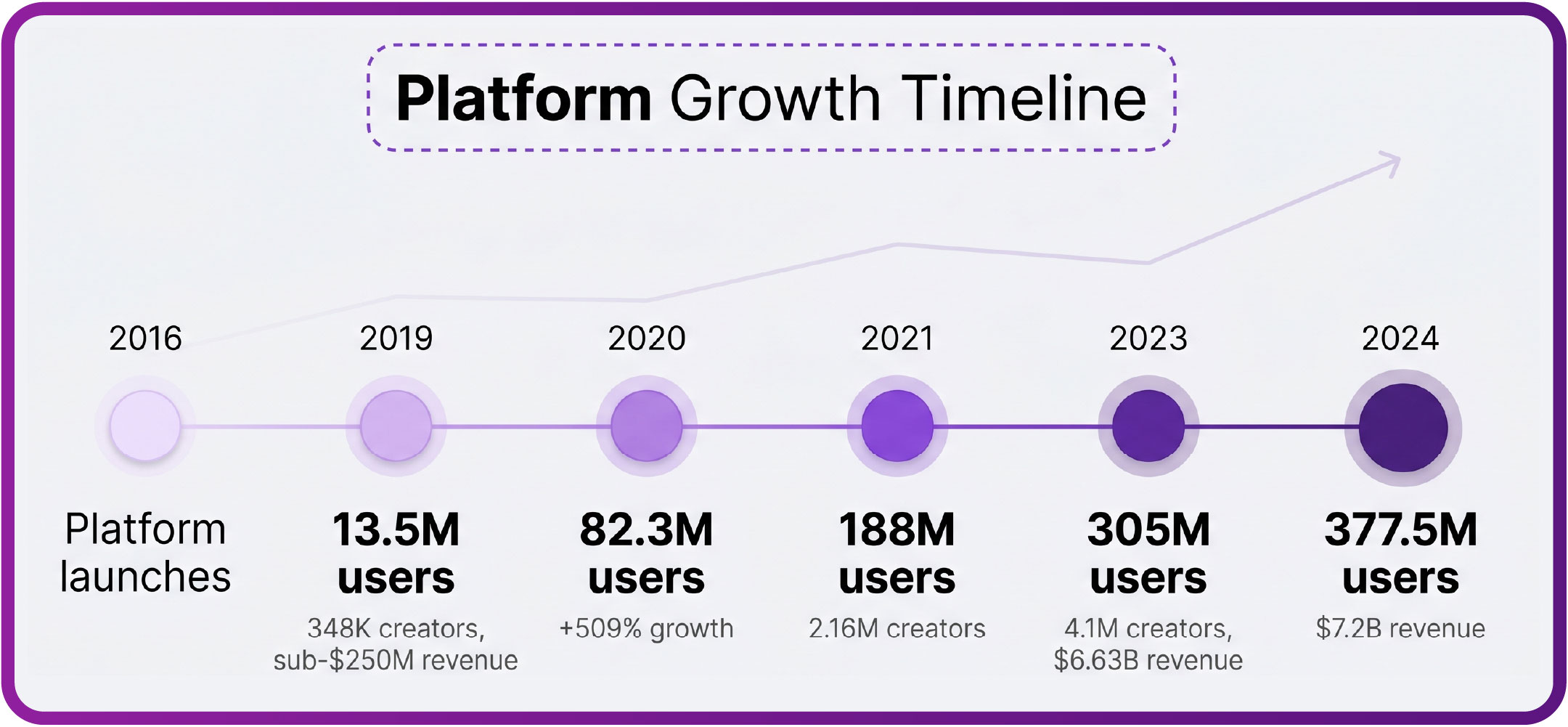
How Creators Respond to Promotional Cycle Feedback
Creators watch retention numbers closely, and reactions to heavy promotional churn surface in how pages get priced and packaged over time. The most common adjustment is fewer promotions after a cohort churns out, since repeated deep discounts train audiences to wait rather than commit.
Other adaptations target the two weak points in the cycle: the trial burst and the renewal decision. Multi-month bundles carry subscribers past the fragile first renewal, while denser pay-per-view messaging monetizes trial users who were never going to stay. Some creators add a free tier at $0 to screen genuine interest before any paid conversion, earning instead through pay-per-view and tips.
- Reduced promotional frequency after a high-churn cohort, to protect base pricing.
- Multi-month bundles built to carry subscribers past the first full-rate renewal.
- Higher pay-per-view message density to monetize short-window trial users.
- Free tiers that filter for real interest before paid conversion.
- Base price decreases to match what retained subscribers will actually pay.
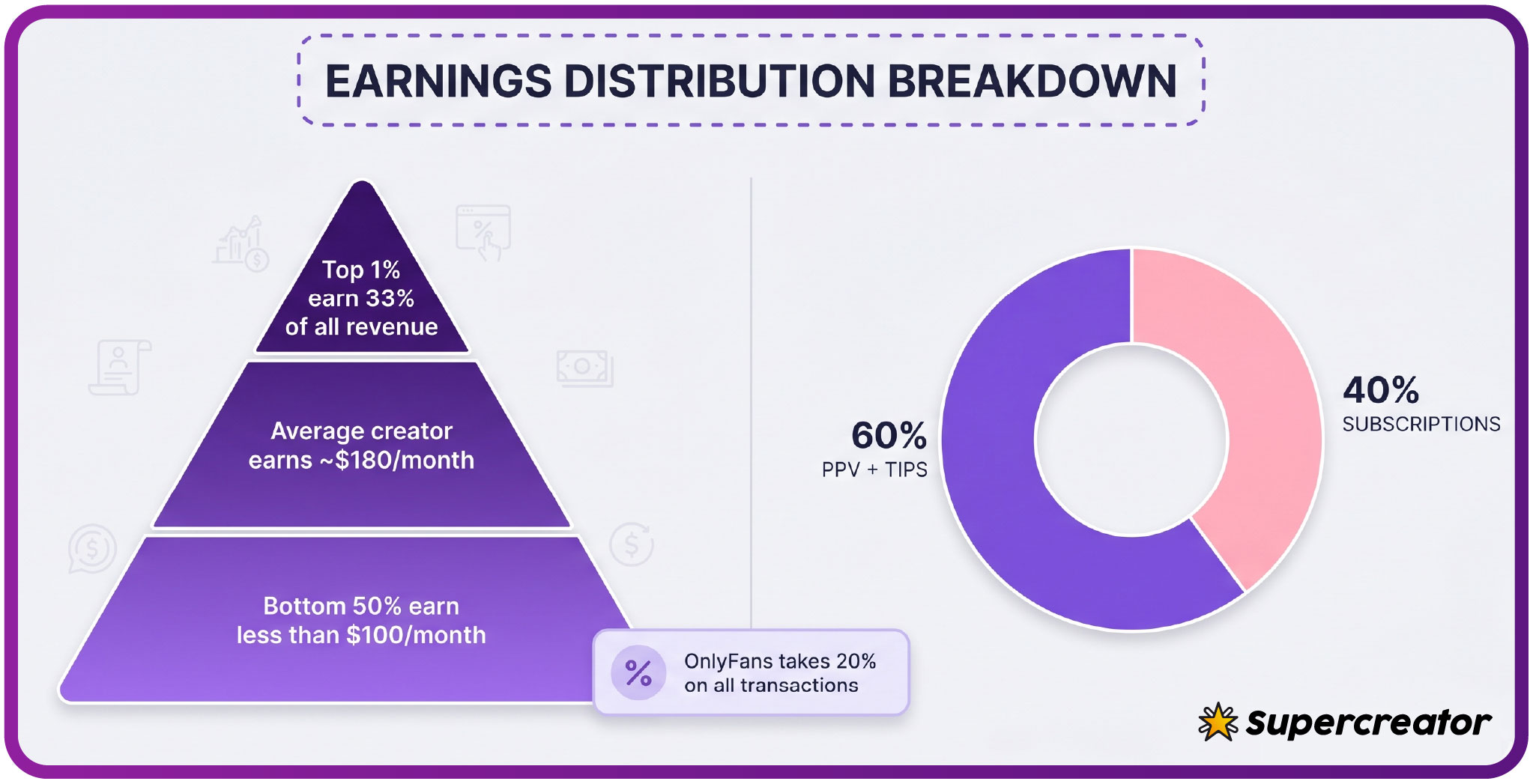
Pricing pressure runs in both directions, because the platform takes a 20% fee on every transaction while the creator keeps 80%. A $5 subscription therefore returns $4 to the creator, which limits how deep a discount can go before the economics collapse.
Account safety affects retention too, since a billing dispute or a compromised login ends a subscription faster than any price increase. Card verification holds, usually $0.10 and refunded within days, convince some new subscribers they were overcharged. Basic familiarity with two-factor authentication and payment protection is a sensible habit for anyone running several subscriptions at once.

That is where the BestOnlyFans scoring method fits, ranking pages on measurable retention signals instead of promotional headlines.
Budget Planning Around Predictable Promotional Windows
Promotional cycles repeat often enough to plan around, which turns a source of surprise charges into a manageable calendar. The core discipline is separating trial money from ongoing subscription money so the two never draw on the same funds.
Timing matters as much as price. A promotional trial on a page you would never follow at full rate is a cost, not a saving, no matter how small the entry fee.
- Set an absolute monthly ceiling that includes every promotional trial.
- Require a 48-hour cooling-off period before starting any new promotional subscription.
- Track promotional expiration dates in a dedicated calendar view with alerts.
- Allocate trial budget separately from the ongoing subscription allowance.
Subscribers who follow this routine rarely get surprised by a full-rate renewal, and they stop paying for pages they never really used.
FAQ
Do creators get notified when I cancel before the promotional rate ends?
Creators can see subscriber counts and churn in their dashboard, but the platform does not send a personal alert the moment one person cancels. Most notice the drop in active subscriber numbers or spot it in retention data afterward. Your cancellation takes effect at the end of the paid period, so access continues until then.
Can I re-subscribe at the promotional rate if I cancel and come back later?
Sometimes, but not reliably. A creator may run another promotion later, and returning subscribers can qualify, yet many pages apply a cooldown or exclude previous subscribers from repeat discounts. Treating a promotional rate as a permanent price is the error; assume renewal happens at the standard base price between $4.99 and $49.99.
Why does my first month feel like better value even when I calculate total cost?
You consume more content in that window because everything is new, and the sense of saving makes additional pay-per-view purchases feel justified. Once the archive is familiar, the same page at full rate can feel thinner even though nothing changed.
How do I avoid accidentally paying full price after a promotional trial?
Turn off auto-renew right after subscribing if you are unsure about staying, and set a calendar alert two days before the promotional period ends. Check the renewal price in your subscription settings rather than assuming, and remember that a creator price increase stops auto-renew and ends access when the paid period closes.